
Linn County Deed Records
Linn County deed records are managed by the County Clerk in Albany, Oregon. The clerk office records deeds, mortgages, liens, and other property documents for all land in Linn County. If you need to find a deed, check a chain of title, or look up who owns a parcel, the Linn County Clerk is the right place to start. Linn County sits in the heart of the Willamette Valley and includes farmland, timber, and growing cities like Albany, Lebanon, and Sweet Home. The deed records here cover a wide range of property types across the county.
Linn County Quick Facts
Linn County Clerk Recording Division
The Linn County Clerk office handles all deed recording for the county from its location in Albany. The staff records deeds, trust deeds, mortgages, assignments, and other documents that affect title to real property. They also maintain the indexes that let the public search through recorded deed records.
You can visit the clerk office in person to search for deed records. The office keeps a grantor index and a grantee index as required by Oregon law. The grantor index shows who gave the deed. The grantee index shows who received it. By checking both, you can build a full chain of title for any parcel in Linn County. Public terminals may be available for self-service searching at no charge.
The Linn County website lists current contact details, hours, and fee schedules for the recording division. Before you visit, check the site or call ahead to make sure the office is open and confirm what you need to bring.
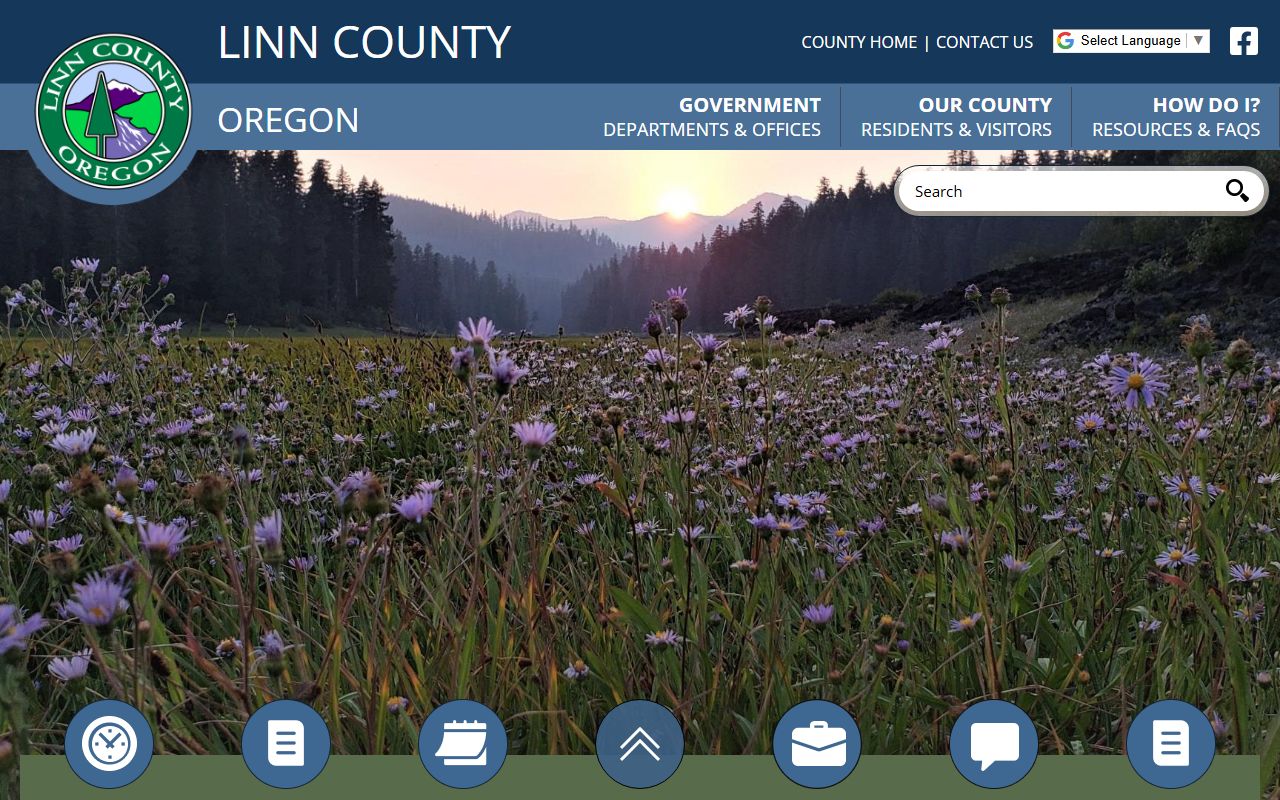
The screenshot above shows the Linn County website. From here, you can find links to the clerk office, the assessor, and other departments that work with property data and deed records in Linn County.
Note: Linn County deed records date back to the formation of the county, but very old documents may be stored on microfilm.
Search for Deed Records in Linn County
To search deed records in Linn County, start with the clerk office in Albany. You can look up records by the name of the buyer or seller, by document number, or by legal description of the property. The staff can guide you through the index system if you have not done this before.
If you cannot visit in person, try calling or writing to the Linn County Clerk. Give them the names on the deed and the approximate year it was recorded. They can check the system and let you know if the record exists. Copy requests can often be handled by mail for a fee. Some offices also handle requests by email.
Oregon's public records law under ORS Chapter 192 makes all deed records available to the public. You do not have to be the property owner to request a copy. The Linn County Clerk must provide access during business hours. If a request is denied, you can appeal to the district attorney.
Linn County Deed Recording Rules
All deeds recorded in Linn County must follow state rules under ORS Chapter 205. The document must be on paper no bigger than 8.5 by 14 inches, at least 20-pound weight, and with text in 10-point type or bigger. A blank space on the top right of the first page is needed for the recording label.
The first page must include the names of the parties, the type of deed, the return address, the consideration paid, and the tax statement delivery address. Without these items, the Linn County Clerk may reject the deed or charge a non-standard fee of $20. A cover sheet can fix missing items for an extra $5.
Oregon law under ORS 93.030 requires every deed that transfers fee title to state the true consideration. This means the actual price paid, including cash and any debts the buyer takes on. Without this statement, the Linn County Clerk will not record the deed. The consideration appears on the face of the document so anyone searching the deed records can see what was paid.
- Paper size no more than 8.5 by 14 inches
- Text in 10-point type or bigger
- True consideration stated on the deed
- Return address on the first page
- Blank space for the recording label
Public Access to Linn County Property Records
Deed records in Linn County are public documents. Oregon law gives everyone the right to view them. You can walk into the clerk office, ask to see a deed, and the staff must provide access. Copies are available for a per-page fee. Certified copies cost more but carry official verification.
The race-notice rule in ORS 93.640 makes recording important. An unrecorded deed in Linn County is void against a later buyer who pays value and records first without knowledge of the earlier deed. This rule encourages everyone to record their deeds as soon as the sale closes. It also means the deed records in Linn County reflect a reliable picture of who owns each parcel.
The Oregon State Archives holds historical land records that may include early Linn County deeds. If you are looking for a deed from the 1800s or early 1900s, the archives can be a useful source. The Oregon DOJ public records page has guidance on how to make a request if a county office turns you down.
Note: Oregon charges no state transfer tax on property sales, so recording fees are the only cost when filing deed records in Linn County.
Linn County Land and Deed Types
Linn County has a mix of land types that show up in its deed records. The Willamette Valley floor is rich farmland. The foothills hold timber tracts. Cities like Albany, Lebanon, and Sweet Home have residential and commercial lots. Each type of property goes through the same recording process at the Linn County Clerk office.
The most common deed types filed in Linn County include warranty deeds, bargain and sale deeds, quit claim deeds, and trust deeds. A warranty deed gives the buyer full title protection. A quit claim deed transfers only the interest the seller has, with no promises about liens or claims. Trust deeds are used when a lender is involved in a home purchase. All of these appear in the Linn County deed records index and follow the same filing rules.
Nearby Counties
Linn County borders Benton County, Lane County, Marion County, Jefferson County, and Deschutes County. Each county runs its own deed records system through its clerk office. If you are looking for a deed on a property near a county line, check the legal description to find out which county holds the record.